.png)
The Cowichan Valley Homeowner’s Guide to Heritage Masonry Restoration
By Lennox Masonry — Cobble Hill, BC
Published by the team behind dozens of completed heritage masonry restorations across Greater Victoria & the Cowichan Valley
Heritage masonry restoration is about more than repairing old brick or stone. It is about preserving the character, breathability, and structural integrity of historic buildings while using materials and methods that work with the original construction. In the Cowichan Valley, where heritage homes, civic buildings, chimneys, and stone features continue to stand through decades of wet weather and seasonal movement, the right restoration approach matters.
At Lennox Masonry, heritage work means using traditional materials where they belong, including lime mortars, lime washes, and historically appropriate stonemasonry methods. These materials allow historic masonry to breathe, move, and age naturally instead of being locked into place with overly rigid modern products. That difference is often what separates a restoration that lasts from one that creates new problems down the road.
Why Heritage Masonry Needs Special Care
Older masonry buildings were built with materials that behaved differently than modern cement-based systems. Brick, sandstone, and natural stone were often laid with softer mortars that could absorb movement and moisture without damaging the masonry units themselves. When those original mortars fail, the correct solution is usually not to replace them with a stronger modern mix. Instead, the repair needs to match the building’s original performance as closely as possible.
In the Cowichan Valley, moisture is one of the biggest challenges. Water gets into joints, freezes and expands, and slowly breaks down mortar and stone surfaces over time. If the wrong materials are used during repair, moisture can become trapped inside the wall, causing spalling, cracking, and long-term deterioration. That is why traditional lime mortars remain such an important part of heritage masonry restoration.
Traditional Lime Mortars & Why They Matter
Lime mortars are a cornerstone of authentic heritage restoration. Unlike modern Portland cement mortars, lime mortars are more flexible and more breathable. That means they allow moisture to escape through the joints rather than forcing it into the masonry units themselves. This helps protect older brick and stone from damage caused by trapped water and incompatible repair materials.
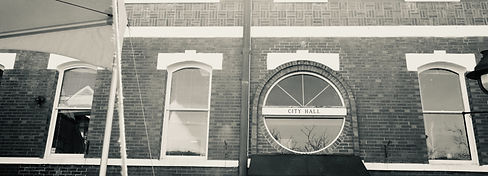
When repointing historic masonry, the goal is not simply to fill gaps. It is to restore the wall in a way that works with the original construction. Lime mortar can also be colour-matched and textured to suit the original building, which makes it especially valuable on visible heritage work. On buildings like Duncan’s City Hall, this compatibility is essential to both appearance and performance.
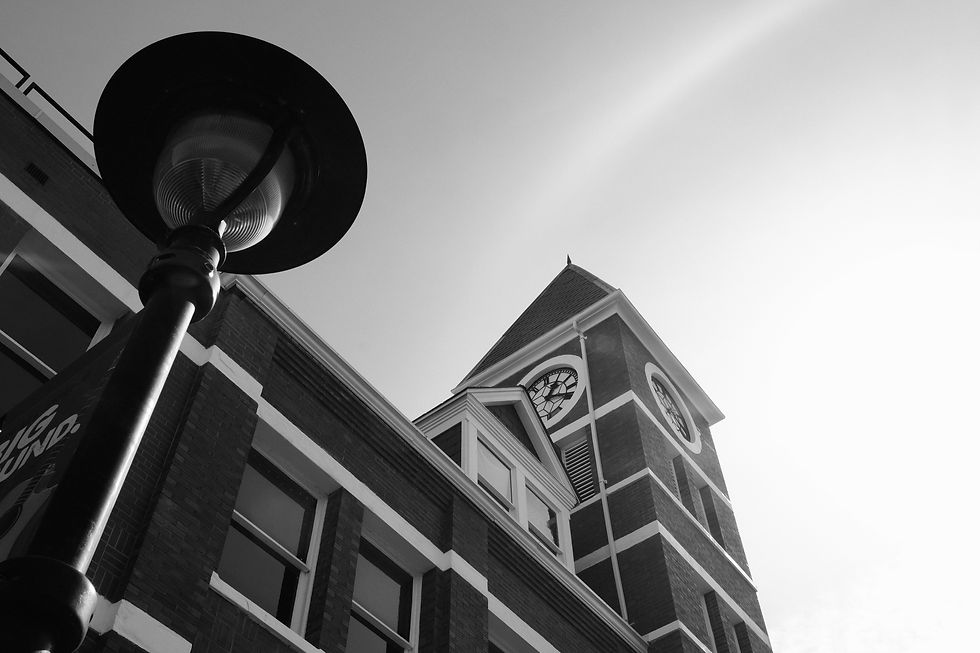
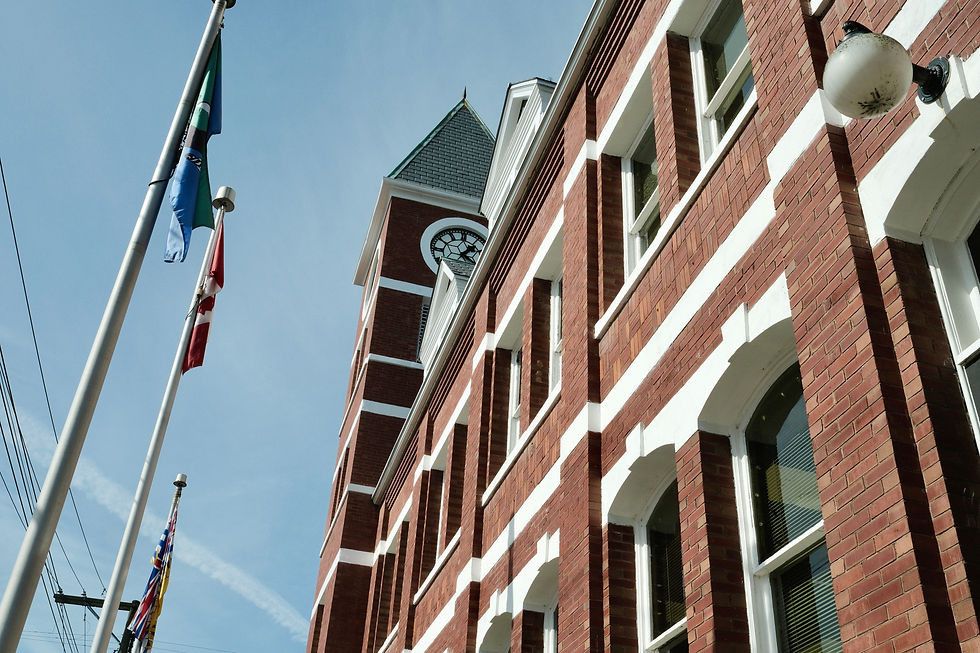
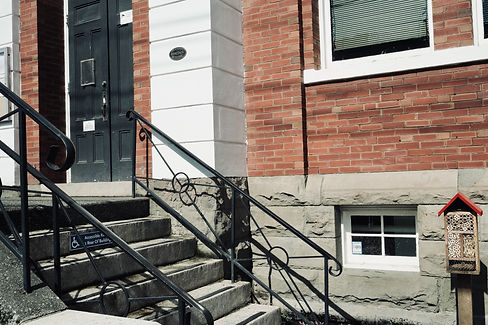
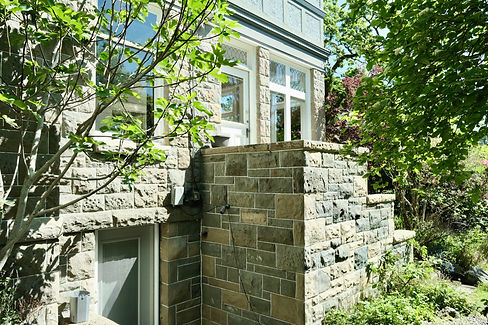
One of the best examples of this kind of work is the heritage restoration completed at Duncan’s City Hall. That project involved careful restoration of the clock tower and sandstone belts, along with repointing the sandstone base using historical lime-based mortars and lime-washes. The work required a careful balance of preservation, cleaning, and repair so the building could remain true to its original character while being protected for the future.
That type of project illustrates the principles behind good heritage masonry. The objective is not to make an old building look brand new. It is to stabilize, preserve, and renew it in a way that respects its age, its materials, and its architectural history. For property owners in the Cowichan Valley, City Hall stands as a strong reminder of what skilled heritage restoration can achieve.
Chimney Repointing With Traditional Mortars
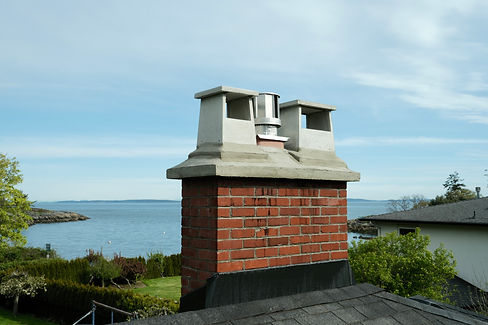
Chimneys are among the most common heritage masonry elements to deteriorate. They are constantly exposed to rain, wind, temperature changes, and combustion byproducts. Over time, the mortar joints weaken, bricks loosen, and water begins entering the chimney structure. In heritage work, repointing must be done with care so the new mortar does not damage the surrounding brick or stone.
Traditional mortars are often the best choice for older chimneys because they are softer and more compatible with historic masonry units. This helps reduce stress on the bricks and allows the chimney to move naturally with weather and seasonal changes. A proper repointing job can significantly extend the life of a chimney while maintaining its original look and structural function.
When A Chimney Needs A Rebuild
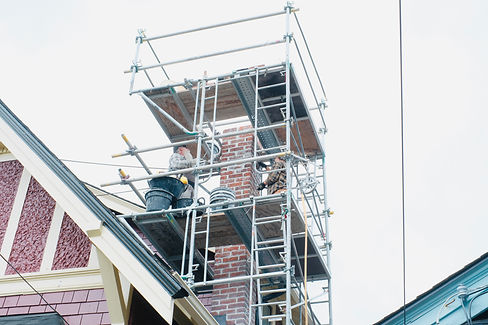
Sometimes repointing is no longer enough. If a chimney has extensive cracking, missing brick, structural movement, or severe water damage, a partial or full rebuild may be needed. In heritage settings, this process must be done carefully to preserve the original appearance as much as possible while restoring structural integrity.
A chimney rebuild often involves salvaging usable brick, matching replacement materials closely, and rebuilding the structure with compatible mortar. When done properly, the rebuild should blend into the original building rather than look like an obvious patch. This is especially important on heritage homes and historic buildings throughout Cobble Hill, Duncan, Mill Bay, and Shawnigan Lake.
Brick & Stone Restoration On Heritage Buildings
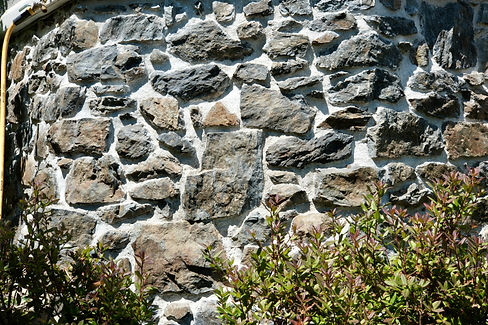
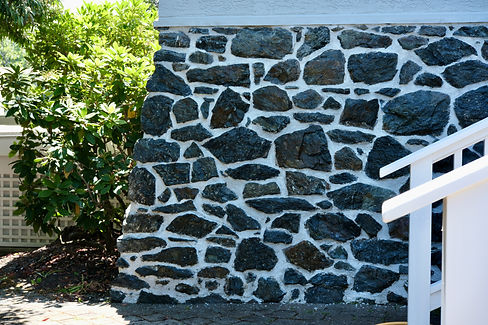
Not all heritage masonry is brick. Many historic buildings in the Cowichan Valley also feature sandstone, limestone, or mixed stone construction. Each material has its own repair needs. Sandstone, for example, can be especially sensitive to moisture and improper cleaning methods. Brick can spall if it is sealed too tightly or repaired with the wrong mortar. Stone walls and belts may require patching, repointing, or selective replacement depending on the level of deterioration.
At Lennox Masonry, restoration work is approached material by material, rather than using a one-size-fits-all solution. That is important because heritage masonry is rarely uniform. Different sections of a building may have suffered different levels of wear, previous repairs, or environmental exposure. The best restoration work respects those differences instead of ignoring them.
Signs Your Heritage Masonry Needs Attention
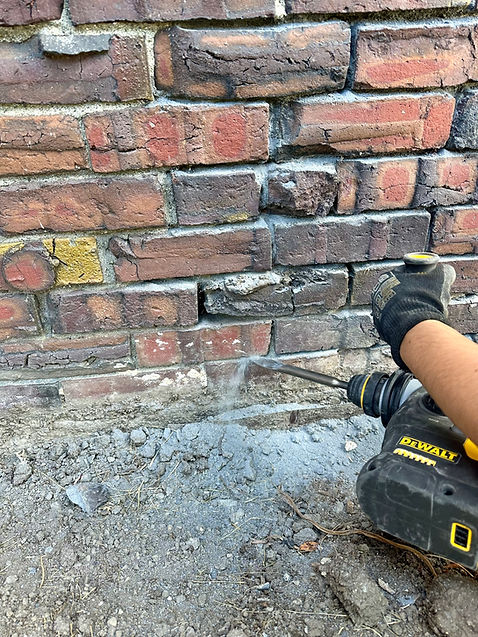
If you own an older home or heritage property, there are several warning signs to watch for. Crumbling mortar, loose bricks, cracking around windows or chimneys, water staining, and visible movement in stone or brick are all indicators that repairs may be needed. In some cases, you may also notice patchy previous repairs where modern mortar or sealants have already been used.
The earlier these issues are addressed, the better the outcome. Heritage masonry problems often start small, but once water gets into the wall system, the damage can spread quickly. A professional assessment can determine whether the structure needs repointing, patching, partial rebuilding, or a more complete restoration plan.
Heritage Masonry In The Cowichan Valley Climate
The Cowichan Valley’s climate makes proper restoration especially important. Rain, humidity, and seasonal temperature changes all affect how masonry performs over time. Buildings that were originally built with breathable materials need to be repaired with compatible products so they can continue handling moisture the way they were designed to.
That is why so much heritage work in this region involves lime mortars, careful joint repair, and respectful cleaning methods. The goal is to preserve the building’s original function while protecting it against current weather conditions. A good restoration should help an old building keep doing its job for many more years without compromising its historic character.
CONCLUSION
Heritage masonry restoration is a specialized craft that requires patience, material knowledge, and respect for the original building. Whether the work involves lime mortar repointing, chimney rebuilding, sandstone repair, or restoration of a historic landmark, the principle remains the same: use the right materials and methods for the building in front of you.
If you own a heritage property in the Cowichan Valley and want to restore it properly, the best first step is a knowledgeable assessment from a masonry contractor experienced in traditional methods. Projects like Duncan City Hall show what is possible when craftsmanship and heritage preservation are combined thoughtfully.
To check out a variety of our heritage masonry restoration projects, click here:
Heritage Masonry Restoration Projects →
If you are planning a heritage masonry repair, chimney repointing, or restoration project in Cobble Hill, Duncan, Mill Bay, Shawnigan Lake, or the wider Cowichan Valley, Lennox Masonry can help. From traditional lime mortars to careful brick and stone restoration, we build repairs that respect the history of the structure while protecting it for the future.
Lennox Masonry Ltd
Cobble Hill Location: 1265 Hutchinson Road, Cobble Hill, BC
Phone: 250-986-0324
Email: sean@lennoxmasonry.com
Website: www.lennoxmasonry.com/cobble-hill-masonry
Serving Cobble Hill, Mill Bay, Shawnigan Lake, Duncan, Maple Bay, Cowichan Bay, Lake Cowichan, Chemainus, and Ladysmith.