

.png)
Heritage Masonry Projects
Our heritage masonry restoration projects highlight the careful, conservation-minded work required to preserve historic buildings, chimneys, walls, and other masonry features. These completed projects showcase repointing, rebuilding, stone repair, Doff steam cleaning, lime mortar work, and other traditional methods suited to older structures and sensitive materials. For homeowners, architects, and property managers looking for heritage masonry restoration in Victoria, Oak Bay, Duncan, and throughout Vancouver Island, these examples show how we protect original character while improving long-term durability.
Each heritage project requires a thoughtful balance between preservation and repair. We work to maintain the appearance and integrity of the original masonry while addressing deterioration, weather exposure, moisture damage, and structural concerns that can develop over time. The goal is always to conserve what can be saved, replace only what is necessary, and ensure the finished work remains visually and structurally consistent with the building’s historic character.
Our heritage masonry projects often include stone walls, historic chimneys, facades, walkways, and other features that help define the look and story of a property. These completed projects demonstrate the level of craftsmanship needed to work successfully on heritage-designated buildings and older homes. If you are planning a heritage restoration project in Victoria or elsewhere on Vancouver Island, these examples offer a clear look at the care and precision we bring to every job.
Samuel Maclure projects represent some of the most historically significant and architecturally distinctive heritage homes in Victoria and the surrounding area. Lennox Masonry has worked on a number of homes associated with Maclure, restoring stone pillars, chimneys, facades, and other masonry features that contribute to the character of these important residences. These projects often require a deep understanding of traditional materials and an appreciation for the original design intent behind the homes.
Maclure homes are known for their Arts & Crafts influence, careful proportions, and strong relationship between the building and its setting. When restoring masonry on these properties, the work has to respect those qualities while also addressing the practical challenges of aging stone, mortar, stucco, and brick. In many cases, the restoration includes rebuilding elements that had been damaged, removed, or altered over time, all while ensuring the finished work blends naturally with the existing structure.
One of the strengths of working on Samuel Maclure homes is the variety of masonry conditions they present. Some projects involve restoring original chimneys or fireplace masonry, while others require rebuilding stone pillars, repointing deteriorated walls, or restoring decorative and structural features that are part of the home’s historic identity. Because these houses are often among the most recognizable in their neighbourhoods, the quality of the masonry work plays a major role in preserving their appearance and value.
These projects are an important part of Lennox Masonry’s heritage restoration portfolio because they connect craftsmanship with architectural history. Restoring a Samuel Maclure home is not simply about repairing masonry — it is about helping safeguard the work of one of British Columbia’s most important architects. For homeowners seeking heritage restoration for a Maclure-designed home, careful masonry work can make the difference between a structure that continues to age gracefully and one that slowly loses its original character.


The Oldfield Estate project was one of the more unusual and rewarding heritage restorations, involving the rebuilding of 17th-century limestone remnants that had originally formed part of a gothic cathedral. These architectural pieces were restored and rebuilt into the gardens as features, which required a highly customized approach to both structure and presentation. Lennox Masonry was responsible for making sure these historic remnants were safely re-established while preserving their character and significance.
Because the remnants were originally buttressed within a much larger building, each feature needed a stable foundation and carefully engineered support system before it could be rebuilt. That meant excavating down to bedrock where necessary, installing concrete footings, and using custom metal fabrication and ties to hold the arches and windows upright while the mortar cured. In addition, a specially formulated mortar was used so the limestone would be supported properly without being overwhelmed by materials that were too strong or visually heavy.
This project combined conservation work with a high level of structural problem-solving. The pieces were not simply restored as decorative objects; they had to be made stable, durable, and appropriate for their new garden setting. That required a balance of traditional masonry knowledge, careful planning, and practical fabrication work, all of which played a role in bringing the project to life.
Oldfield Estate is a good example of how heritage restoration can extend beyond conventional walls and chimneys into more specialized architectural conservation. The work helped preserve a unique historical collection while also integrating it into the landscape in a way that respects both its original origin and its current setting.
Government House is one of Victoria’s most important heritage properties, and work on a site of this significance calls for an especially careful approach. Lennox Masonry carried out steam cleaning of the port cochère and repointing of the surrounding stone walls, using methods intended to protect the original materials while improving their condition and appearance. On a property like this, the challenge is always to restore without disrupting the age, texture, or historic character that makes the building so meaningful in the first place.
The masonry at Government House required a conservation-minded approach because the stonework is part of a landmark setting with both architectural and cultural importance. Gentle steam cleaning allowed us to remove surface buildup while avoiding the kind of abrasive treatment that can damage older masonry. Repointing was then completed to strengthen the joints and improve the durability of the stone walls, helping ensure the building continues to perform well in Victoria’s wet coastal climate.
Projects like this are a reminder of why heritage masonry restoration matters. Government House is not only a historic building, but also a public-facing symbol of Victoria’s heritage, and the masonry work contributes to its long-term preservation. Careful restoration helps maintain the building’s visual integrity while protecting it from ongoing deterioration caused by weather and time.
For Lennox Masonry, this kind of work reflects the value of traditional craftsmanship and a respectful restoration process. Whether the task is steam cleaning, repointing, or broader heritage masonry repair, the goal remains the same: preserve the original building fabric and extend the life of an important historic property through careful, skilled work.


The heritage restoration of Duncan City Hall was a major conservation project that required a staged and highly controlled approach. Lennox Masonry restored the sandstone bands and sills around the building by carefully removing old paint, repointing the masonry, patching areas of erosion, and applying a traditional lime wash to help the building breathe again. The final stage involved steam cleaning the sandstone base with a low-pressure continuous steam machine designed specifically for heritage masonry.
This type of project demands a deep understanding of heritage materials, because every step affects how the building will age and perform over time. The sandstone had to be treated in a way that respected its condition and allowed the masonry to function properly without trapping moisture or creating incompatibility with the original fabric. The use of traditional lime-based materials and low-pressure cleaning methods reflects a conservation-focused philosophy that prioritizes compatibility with the historic structure.
As a civic building, Duncan City Hall also carries significant community value. Restoring it is about more than improving appearance; it is about preserving a public landmark that contributes to the identity of the city. When heritage buildings like this are maintained properly, they continue to serve the community while also standing as visible reminders of local history and craftsmanship.
Lennox Masonry’s role in the Duncan City Hall project demonstrates the kind of careful, technical work required for successful heritage restoration. From the removal of failed coatings to the application of breathable materials and final steam cleaning, each phase was completed with the long-term health of the building in mind.
The Pump House in Esquimalt is one of the region’s notable heritage structures, and its restoration required a careful approach that respected the age and character of the building. Lennox Masonry completed steam cleaning and heritage masonry repointing on the property, removing moss, lichen, and accumulated surface buildup while preserving the original masonry beneath. On a building like this, the work is about much more than appearance — it is about protecting historic materials and helping the structure continue to perform well in the coastal environment.
Heritage masonry restoration on a building such as the Pump House demands methods that are gentle, compatible, and appropriate for older materials. The steam cleaning process allowed the masonry to be refreshed without harsh abrasion, while the repointing work restored the joints and helped improve long-term durability. By using traditional lime mortar and conservation-minded techniques, the masonry could be stabilized and cleaned while the historic character of the building remained intact.
This kind of project is a good example of why heritage restoration matters. The Pump House is part of the industrial and civic history of Esquimalt, and buildings like this are important reminders of the community’s past. Careful restoration helps ensure that these structures remain visible, legible, and appreciated, while also protecting them from ongoing deterioration caused by time and weather.
For Lennox Masonry, work like the Pump House restoration reflects the value of conservation-based masonry. Whether the project involves steam cleaning, repointing, or full heritage repair, the goal is always to preserve the original building fabric as much as possible and extend the life of the structure through skilled, respectful restoration.


On Hampshire Road in Oak Bay is a 1916 heritage home with a strong architectural presence and a rich local history. The home was originally contracted to Luney Bros. and designed by C. Elwood Watkins, placing it within an important period of Oak Bay’s early residential development. Lennox Masonry restored the property through heritage masonry cleaning, repointing, and repair work, helping preserve the home’s original character while improving the condition of its exterior masonry.
The house is a fine example of the kind of historic residence that helped shape Oak Bay’s identity. Its stonework, masonry detailing, and overall composition contribute to the streetscape and reflect the craftsmanship of the period in which it was built. On a home like this, the work has to be done carefully so the restoration supports the original design rather than competing with it. That means using methods suited to older materials and taking the time to preserve the look and feel of the building as much as possible.
For this project, the masonry restoration involved low-impact steam cleaning and repointing, along with targeted repairs where the existing masonry had deteriorated. The steam cleaning helped remove surface staining and biological growth without damaging the masonry, while the repointing restored the joints and improved the structure’s durability. These techniques are especially important on a heritage home because they allow the masonry to breathe and perform properly while maintaining the visual integrity of the original exterior.
The Hampshire project is a strong example of how thoughtful restoration can extend the life of a heritage home without changing what makes it special. Oak Bay has many notable historic properties, and preserving them requires an approach that is careful, informed, and respectful of the building’s age and significance. Lennox Masonry is proud to have contributed to the conservation of 1566 Hampshire Road through work that protects both the masonry and the home’s historical value.
Set within one of downtown Victoria’s most historic and continuously evolving districts, 1720 Store Street occupies a location that reflects the city’s early commercial and industrial growth. Originally built in 1908 as a warehouse, the building has lived several lives over the decades, later becoming part of the broader Store Street and Herald Street industrial grouping and eventually adapting to retail use in Victoria’s old downtown core.
The surrounding area tells a similar story of change and continuity. Store Street developed as a practical working corridor close to the waterfront, railway activity, and the historic edge of Chinatown, where warehouses, workshops, and commercial buildings supported the city’s expanding economy. Over time, many of these structures were retained and repurposed, giving the neighbourhood its layered character and making careful masonry work especially important in preserving the streetscape’s historic feel.
At this site, Lennox Masonry rebuilt sections of the brick building as well as brick retaining walls that had been destroyed by a vehicle. The restoration required a thoughtful approach to reconstructing damaged masonry while maintaining a strong visual connection to the original building fabric. In a setting like this, every repair contributes not just to the property itself, but to the overall character of a heritage district where old industrial architecture and modern commercial use continue to coexist.
The finished work restored both structure and presence to the site, helping the building continue its next chapter in downtown Victoria’s heritage landscape. Projects like this highlight the value of masonry restoration in older urban areas, where durability, appearance, and respect for original construction all matter equally.


Lennox Masonry was proud to complete full heritage chimney restoration work at this 1912 Edwardian Vernacular Arts & Crafts home in the historic Fernwood neighborhood of Victoria, BC. This designated heritage property required a careful restoration approach that honored the original craftsmanship while ensuring long-term structural integrity. The chimney rebuild was performed using the original bricks wherever possible, carefully cleaned and relaid by hand, and bonded with traditional hot lime mortar—the same breathable, flexible material used when the home was built over a century ago.
This project highlights the importance of using period-accurate materials in heritage masonry work. Hot lime mortar allows moisture to escape, accommodates the natural movement of old brickwork, and prevents the cracking and moisture damage that modern Portland cement often causes on historic chimneys. Every aspect of this restoration was completed in accordance with the City of Victoria Heritage Register standards, preserving the architectural character of one of Fernwood’s most cherished early-20th-century homes.
1466 Gladstone Avenue is a rare example of intact Edwardian Vernacular Arts & Crafts architecture, featuring original hardwood floors, pocket doors, stained-glass windows, and a steeply front-gabled roof with Craftsman-style knee brackets. Built by contractor Thomas H. Matthew for Herbert Thomas Knott—a prominent Victoria builder and real estate partner—this home has housed generations of local families, including educators, government workers, and pioneering BCER employees.
Through skilled heritage masonry techniques, authentic materials, and deep respect for Victoria’s architectural history, Lennox Masonry ensures that heritage homes like 1466 Gladstone continue to stand strong for the next 100 years.
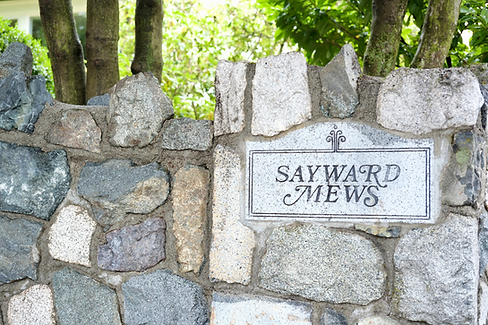
At Sayward Mews in Victoria’s Rockland neighbourhood, Lennox Masonry completed the steam cleaning of a 600 square foot heritage stone retaining wall as part of an ongoing commitment to the care and preservation of older masonry features. The wall had accumulated years of surface staining, moss, algae, and general environmental buildup, and the goal of the work was to restore the stone’s appearance while protecting the integrity and character of the original material. In heritage settings like this, cleaning is never just about making a wall look better; it is about respecting the craftsmanship, preserving the aged texture of the stone, and ensuring that the feature continues to contribute to the historic character of the property.
Rockland is one of Victoria’s most distinctive heritage neighbourhoods, where stone retaining walls, mature landscaping, and substantial masonry elements are part of the visual language of the area. These walls often do far more than hold back earth; they shape the grade of the site, support gardens and terraces, and help define the atmosphere of the property as a whole. The Sayward Mews project is a strong example of how careful steam cleaning can revive one of these important landscape features without stripping away the patina and authenticity that make heritage stone so valuable.
If you want to view the full project write-up and photo gallery, you can read more about the Sayward Mews heritage stone retaining wall steam cleaning project here.
If you are considering heritage masonry restoration and want a team that understands both traditional methods and the demands of older buildings, contact Lennox Masonry to discuss your project. We would be glad to help preserve your property with restoration work that is built to last.